

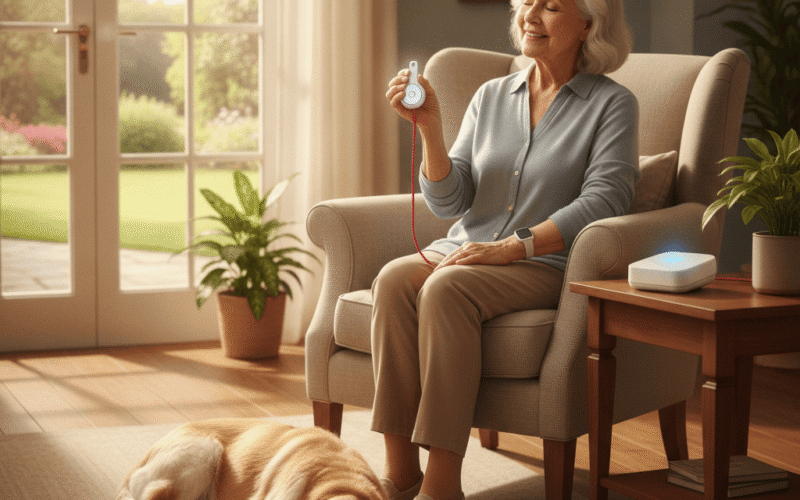
Life can sometimes present unexpected challenges and emergencies. For many, especially as we get older or manage certain health conditions, maintaining independence means having reliable safety nets in place. I have seen firsthand how much difference a simple device can make.
Modern technology offers powerful solutions that help us live more securely. One such advancement is the medical alert system. This technology is a cornerstone for personal safety and provides a significant boost to calm for users and their loved ones.
I believe in sharing practical insights that empower people, and understanding medical alert systems is crucial for anyone seeking enhanced security and peace of mind for themselves or a family member.
Understanding Medical Alert Systems for Reliable Protection
Medical alert systems are designed to offer immediate assistance in emergencies, but they are much more than just emergency buttons. These systems represent a commitment to ongoing safety. They provide a vital link to help when it is needed most, filling a critical gap in personal security for many individuals.
At their core, these systems work by allowing a person to quickly contact a monitoring center or designated emergency contacts. This contact often happens with the simple press of a button, worn as a pendant or bracelet. The device connects the user to trained operators who can assess the situation and dispatch appropriate help, such as paramedics, police, or family members.
I have observed that choosing a system involves considering several factors. It is about more than just the device itself, it is about the entire support network it creates. This network offers a sense of protection that can truly transform a person’s daily life. It means having someone ready to respond 24/7, which is a powerful feeling.
These systems are particularly useful for those living alone. They also assist individuals with mobility issues, chronic health conditions, or anyone at risk of falls. The constant availability of help helps ensure that minor incidents do not escalate into major crises. This proactive approach to safety is what makes them such a valuable investment.
The Core Functionality of Alert Devices
Most medical alert systems include a base unit that connects to a phone line or cellular network. This unit communicates with a wearable device. When the button on the wearable is pressed, it signals the base unit, which then contacts the monitoring center.
The monitoring center acts as a crucial hub. Operators there have access to the user’s medical history and emergency contacts. This information allows them to provide quick and informed assistance. They stay on the line until help arrives, ensuring no one is left alone during a crisis.
Key Features that Provide Instant Support and Connection
Medical alert systems have evolved far beyond simple alarm buttons. Today’s devices offer a range of features designed to cater to diverse needs and lifestyles. These advanced functions make them highly effective at providing instant support and maintaining a constant connection to care.
One of the most valuable features is automatic fall detection. This technology uses sensors in the wearable device to recognize when a fall occurs. If a fall is detected, the system automatically alerts the monitoring center, even if the user cannot press their button. This feature is a game-changer for many, because falls are a leading cause of injury for older adults.
Another important aspect is the two-way communication built into most devices. Users can speak directly with the monitoring center operator through the pendant or base unit. This capability allows for clear communication during an emergency, helping the operator understand the situation better and provide reassurance.
I also appreciate systems that offer mobile capabilities. These portable devices have GPS tracking, so users can get help no matter where they are. This is great for active individuals who enjoy spending time outdoors or traveling. The freedom to move around with confidence is priceless.
Family communication options are also growing. Some systems allow family members to receive alerts when the device is activated or to check in on the user’s status through an app. This transparency builds trust and keeps everyone informed about the user’s well-being.
GPS Tracking for Active Lifestyles
For individuals who love to stay active and independent, systems with GPS tracking provide unparalleled security. This feature ensures that help can be located quickly whether someone is out walking, running errands, or enjoying hobbies away from home.
The GPS technology pinpoints the user’s exact location during an emergency. This is critical in situations where the user may be disoriented or unable to state their whereabouts. It removes a layer of worry for both the user and their family. We understand that maintaining an active lifestyle is important for overall health, and these systems help make that possible safely.
The Psychological Benefits of Knowing Help is Near
The immediate physical safety provided by medical alert systems is obvious, but the psychological benefits are equally significant. Knowing that help is just a button press away can dramatically reduce stress and anxiety for the user and their family. This feeling of security fosters a more positive and independent outlook on life.
I have seen people’s confidence grow immensely once they start using a medical alert system. They worry less about what might happen if they fall or experience a sudden health issue. This freedom from constant worry allows them to engage more fully in daily activities. They might feel comfortable trying new things or continuing old hobbies they previously felt were too risky.
For family members, these systems offer a profound sense of relief. The constant concern about a loved one’s safety can be a heavy burden. Having a reliable system in place means they do not have to constantly check in or fear the worst. This reassurance improves family dynamics and allows everyone to live with greater peace.
The feeling of being protected reduces the fear of being alone during an emergency. This emotional support is vital for mental well-being. It empowers individuals to live on their own terms, knowing a safety net is always active. I consider this psychological calm a core advantage of these technologies.
Reduced Anxiety for Users
Many users report a significant decrease in anxiety after getting a medical alert system. The fear of falling or having a medical emergency without anyone knowing can be paralyzing. These systems remove that fear, allowing users to move about their homes and communities with much greater confidence. It helps them focus on living their lives fully.
Peace of Mind for Family Members
Family members often carry a great deal of concern for their loved ones’ safety. A medical alert system offers real medical alerts peace of mind. They know that if something happens, their loved one will receive prompt attention. This takes a huge weight off their shoulders, allowing them to balance their own lives with caregiving responsibilities more effectively.
Choosing the Right System for Your Unique Needs
Selecting the ideal medical alert system requires careful consideration. Not all systems are created equal, and what works best for one person might not be suitable for another. I always advise individuals to think about their lifestyle, health conditions, and specific preferences before making a choice.
Start by evaluating the level of mobility the user has. Someone who is mostly homebound might do well with a basic in-home unit. An active individual who spends a lot of time outside their home will need a mobile system with GPS capabilities. Understanding these daily habits is the first step to finding a good fit.
Consider the types of emergencies most likely to occur. If falls are a primary concern, look for systems with advanced fall detection. If heart conditions are a factor, some systems offer health monitoring features that track vital signs. Matching the system to potential risks ensures comprehensive protection.
The monitoring service itself is also very important. What kind of training do the operators receive? How quickly do they respond? Do they offer multilingual support if needed? These details contribute significantly to the overall effectiveness and reliability of the service provided.
Cost is another practical consideration. Systems vary in price, with different subscription models and equipment fees. I recommend looking at the total cost of ownership. This includes monthly fees and any upfront charges. Remember that this is an investment in safety and peace of mind.
Consider Lifestyle and Activity Levels
A sedentary person might find a simple base unit with a limited range perfectly adequate. However, someone who gardens, walks daily, or travels needs a mobile unit. These portable devices come with GPS tracking and cellular connectivity, offering protection anywhere there is cell service.
We see how users maintain their preferred routines and hobbies because of this mobility. The system adapts to their life, rather than forcing them to adapt to the system. This aspect is key for promoting continued independence and joy in daily activities.
Evaluate Monitoring Services and Support
The quality of the monitoring center is crucial. I suggest looking for companies with U.S.-based, UL-certified monitoring centers. These certifications mean the center meets strict industry standards for reliability and service. A good monitoring service offers fast response times and clear communication.
It also helps to understand how the monitoring center handles false alarms. A professional service will treat every alert seriously but will also understand that accidental presses happen. They should handle these situations calmly and efficiently, ensuring the user feels comfortable activating the system whenever needed.
Setting Up Your Medical Alert System for Optimal Performance
Once you have chosen a medical alert system, proper setup is essential for it to function effectively. I often find that a well-installed system provides immediate confidence. A hasty setup, on the other hand, can lead to glitches or missed alerts.
Most systems are designed for easy installation, often involving plugging in a base unit and charging a wearable device. But there are a few extra steps that make a big difference. I always advise people to read the instructions thoroughly and not rush through the process. Take the time to get it right from the start.
Position the base unit in a central location in the home. This placement helps ensure strong communication with the wearable device. Avoid placing it near large appliances or in areas with poor cellular reception, if it uses a cellular connection. Optimal placement helps prevent signal interference.
Program all emergency contacts accurately. This includes phone numbers for family, friends, and doctors. Double-check all information to ensure it is current. The monitoring center relies on this data to contact the right people at the right time.
Remember to test the system regularly. This simple habit confirms that everything is working as it should. A quick test button press once a month or as recommended by the provider will suffice. This practice builds confidence in the system’s readiness.
Testing the Device Regularly
Regular testing ensures that the system is always ready for an emergency. I recommend making it a routine, like checking smoke detector batteries. Simply press the call button and speak with the operator. Let them know you are testing the system.
This routine confirms battery life, signal strength, and operator responsiveness. It also helps the user become comfortable with using the device. Familiarity is important for calm action during a real emergency.
Educating Family and Caregivers
It is very important to inform family members and caregivers about the medical alert system. Show them how it works and where the base unit is located. Discuss the plan for emergencies so everyone knows what to expect. This coordination creates a seamless safety net.
Provide them with the monitoring center’s contact information. Ensure they understand their role in the emergency response plan. This shared knowledge prevents confusion and speeds up assistance when time is critical. It truly takes a team effort for the best outcomes.
Real-Life Impact: Stories of Safety and Quick Response
The true value of medical alert systems becomes clear when we hear about their impact in real-life situations. These systems are not just pieces of technology. They are lifelines that consistently provide safety and deliver quick responses when people need them most. I have heard many stories that highlight their crucial role.
Consider the case of an elderly woman who tripped over her rug at home. She was unable to get up or reach her phone. Thanks to her medical alert pendant, she pressed the button, and within minutes, paramedics were dispatched and arrived to help her. Her system allowed for a speedy response that prevented further injury.
Another example involves a gentleman with a heart condition who experienced sudden chest pain while walking his dog in the park. His mobile medical alert device, equipped with GPS, allowed him to contact help immediately. The monitoring center knew his exact location and sent an ambulance directly to him. This quick action was critical for his recovery.
I recall a story where a user fell and lay on the floor for hours before being found. The automatic fall detection feature was not enabled or available in their old system. With modern systems, that scenario is less likely. These advancements mean fewer prolonged waits for help after an incident.
These stories underscore the powerful difference these systems make. They offer more than just a call for help. They provide a reliable pathway to assistance that preserves health, prevents severe outcomes, and protects independence. This immediate connection to support truly enhances quality of life for many individuals.
Embracing a Future of Calm and Security
In a world where independence is highly valued, medical alert systems stand out as essential tools for achieving calm and safety. I have seen how these technologies empower individuals to live their lives fully and without constant fear. They offer a strong foundation of security, ensuring that help is always within reach. This unwavering support is what allows people to maintain their chosen lifestyles.
The advancements in these systems, including features like fall detection and GPS tracking, mean that protection is more comprehensive than ever before. These innovations address a wide range of potential emergencies. They provide reassurance that extends beyond the user to their entire family network. This holistic approach to safety fosters true peace of mind for everyone involved.
I encourage anyone considering a medical alert system to explore the options available. Research different models, compare features, and choose a provider that aligns with your specific needs. This investment in safety is an investment in quality of life. It offers the confidence needed to navigate daily challenges. Let us embrace these powerful tools and live with the enhanced security and calm that they provide.