

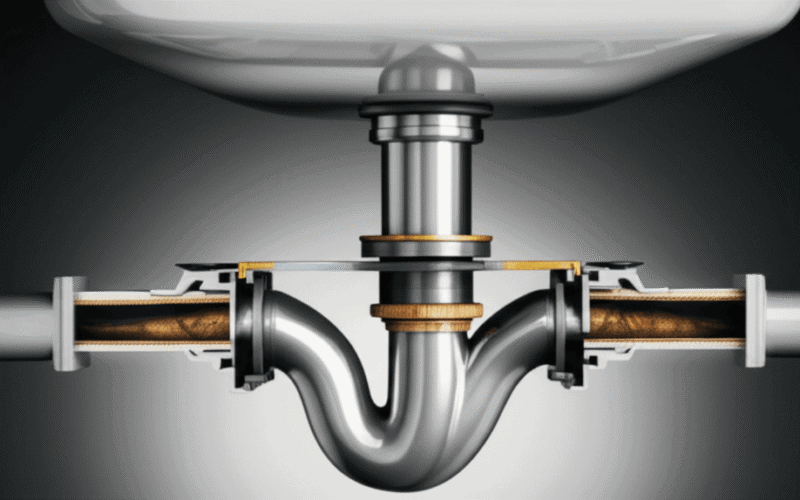
Slow drains cause small annoyances that can quickly turn into big headaches.
Water sitting in your kitchen sink or a shower that drains like molasses usually points to a clog that’s simple to fix when caught early.
Knowing what makes a drain slow helps tackle the issue fast and avoids expensive repairs.
Think of it like spotting a tiny leak before it floods your whole home.
Most blockages come from hair, grease, or dirt buildup, and here’s a cool trick: mixing baking soda and vinegar clears some clogs without harsh chemicals.
A little maintenance now saves lots of hassles later, making life better for anyone tired of slow drains.
Keep reading to find out how to keep drains flowing well and stop trouble before it gets worse.
In this article I explain the most frequent reasons for sluggish drains and offer realistic tips for clearing and preventing blockages. You will find example scenarios, basic troubleshooting steps you can try at home, and guidance on when it is time to call a professional. Read on to learn how to keep water flowing freely through your plumbing.
Common Causes of Slow Drains in Kitchens
Kitchen drains slow down for reasons that are often easy to spot. Grease and cooking oil are among the chief offenders. When poured down the sink, fats cool and cling to the inside of pipes forming sticky masses that trap food particles. Over time these grease coatings can narrow the pipe diameter and reduce flow.
Food scraps are another frequent cause. Even if you use a garbage disposal, fibrous items like celery, potato peels, and coffee grounds can bind together and create tangles. Smaller debris such as rice and pasta swell with moisture and can lodge in trap bends.
- Common culprits include grease, coffee grounds, rice, potato peels, and fibrous vegetable scraps
- Slow flow after washing a greasy pan usually signals buildup in the horizontal run of the plumbing
- Repeated clogging in the same sink often means a deeper blockage beyond the trap
Bathroom Slow Drains and Why They Happen
Bathrooms present a different set of challenges. Hair is the most common cause of slow showers and tub drains. Strands wrap around the inside of P traps and combine with soap scum to form dense mats. Over time the mat grows until water struggles to pass.
Toothpaste and bar soap residue also play a role. These substances can create a filmy buildup that clings to pipe walls and catches other debris. In toilets, items flushed by mistake such as wipes or excessive paper are typical causes of sluggish flushing and slow drainage.
- Shower and sink slowdowns usually point to hair and soap buildup
- Toilet blockages often result from nonflushable items or too much paper
- Regular cleaning of stoppers and use of strainers can reduce the frequency of problems
Outdoor and Yard Drain Problems That Cause Slow Drainage
Outdoor drains face issues that indoor plumbing does not. Leaves, mulch, and dirt can collect in surface drains and block rainwater flow after a storm. Clogged gutters and downspouts shift water into areas where it can pool and back up into drains.
Tree roots are a major reason for slow or stopped outdoor drains when roots invade sewer lines. Roots seek water and nutrients and may enter pipes through small joints or cracks. Once inside they expand and create obstructions that greatly reduce capacity.
- Surface debris and sediment restrict flow in yard drains
- Tree roots can intrude through joints and cracks weakening the pipe and creating large blockages
- Regular gutter cleaning and grading adjustments help keep outdoor drainage moving
Pipe Damage and Structural Issues Leading to Slow Drains
Slow drains can be a symptom of damaged pipes. Corrosion inside old metal pipes creates rough surfaces that trap debris. Cracks or collapsed sections caused by ground movement or aggressive roots can drastically reduce flow. In multiunit buildings shared lines clogged upstream will affect many fixtures at once.
Signs of structural pipe issues
- Multiple fixtures draining slowly at the same time
- Gurgling sounds when water drains from other appliances
- Unpleasant sewer odors near drains
When damage is likely
If you notice sudden changes after heavy rain, persistent backups despite clearing the trap, or wet spots in the yard near underground lines, structural damage might be present. These conditions often require a professional camera inspection to diagnose the exact location and extent of the problem.
How Scale and Mineral Buildup Cause Blockages
In areas with hard water mineral deposits can accumulate inside pipes. Calcium and magnesium crystallize on pipe walls forming narrow channels and rough surfaces that catch debris. Over years this scale can significantly reduce flow and increase the frequency of clogs.
Scale tends to form in hot water lines and in water heaters, but it also affects drains where standing water and soap combine to leave deposits. The result is slower flow and reduced drainage capacity even in otherwise clean pipes.
- Hard water deposits restrict pipe diameter
- Scale builds slowly, so effects may be gradual and easy to overlook
- Treatments range from descaling solutions for short sections to whole system water conditioning for long term improvement
Do It Yourself Steps to Clear a Slow Drain
Before calling a pro, try a few safe home techniques that often work for minor clogs. Start by removing visible debris from the stopper or strainer. For sinks remove and clean the P trap using a bucket and wrench to catch water. For many hair clogs a wire hook or a drain snake can pull material free.
Hot water flushed down the drain can soften grease and dislodge light buildup. For tougher organic clogs a mix of baking soda followed by vinegar creates a foaming action that can break up soft material. After several minutes flush with hot water to carry loosened debris away.
- Remove strainers and clear visible debris regularly
- Use a plunger on sinks and tubs to push or pull blockages
- Try a manual snake for flexible lines and shallow clogs
When to Call a Professional and What to Expect
Some slow drain problems need professional tools and experience. If the clog resists basic do it yourself measures, if multiple fixtures slow at once, or if you suspect broken or collapsed pipes it is time to bring in a specialist. A technician will typically perform a camera inspection to locate the blockage and recommend a targeted method to clear or repair the line.
Professional services can remove roots, replace damaged pipe sections, and perform hydro jetting where high pressure water cuts through tough blockages and flushes the line clean. If you prefer to hire a local firm for fast response search for companies with good reviews and clear descriptions of their process. For residents in the Frisco area a local provider I recommend is Berkeys drain services which lists drain cleaning and inspection options.
Typical professional approaches
- Camera inspection to pinpoint blockage location and cause
- Snaking for accessible clogs and hydro jetting for heavy buildup
- Replacement of damaged pipe segments when repairs are needed
Preparing for a technician visit
Before the arrival of a technician clear access to the affected drains and gather any details about when the problem began and any previous work on the plumbing. Note whether the issue occurs after rainfall, whether some fixtures work as normal, and whether you have hard water that may affect long term performance. These details help the technician diagnose the issue more quickly.
Preventive Habits That Keep Drains Flowing
Maintaining good habits around drains reduces the likelihood of major blockages. In the kitchen avoid pouring grease down the sink and dispose of large food scraps in the trash. Use a mesh strainer in bathroom drains and clean it regularly to remove hair and lint. Periodic flushing with hot water and a mild descaling treatment can slow mineral buildup.
For outdoor drainage keep gutters and grates clear of leaves and debris. Trim tree roots near known sewer lines and schedule inspections for older plumbing to catch potential failures before they result in backups. Small investments in maintenance can prevent larger costs later.
- Use strainers on all sinks and showers to catch debris
- Pour hot water down kitchen drains after a cooking session
- Schedule periodic inspections for older systems and after tree planting near sewer lines
Slow drains are often a sign of manageable issues such as hair, grease, soap scum, or natural wear to pipes. Acting promptly with the right tools or calling a reliable service when needed prevents damage and restores normal flow. If you take regular preventive steps and note warning signs early you can reduce disruption and avoid more costly repairs. For stubborn clogs and diagnostic work a professional inspection and cleaning will identify the cause and restore reliable drainage. Contact a local provider today for inspection and cleaning if your attempts at clearing the line do not produce lasting results.
Conclusion
Slow drains may begin as small annoyances but they often indicate problems that escalate when left unchecked. The most common causes are straightforward to identify, including grease and food in kitchen lines, hair and soap scum in bathroom drains, scale buildup from hard water, debris outdoors, and structural issues like tree roots and broken pipes. Taking basic preventive measures and using simple home remedies can keep most drains working smoothly. When those steps do not clear the problem a professional inspection that uses a camera or hydro jetting is the right next move because it reveals the exact cause and provides targeted repair options.
If you follow the guidance in this article you will be able to reduce the frequency of clogs, extend the life of your plumbing, and avoid surprise backups. Keep strainers in place, avoid pouring fats and fibrous scraps down the sink, flush with hot water periodically, and schedule inspections for older or problem lines. When a problem resists do it yourself fixes reach out to a qualified plumbing service for diagnosis and cleaning so you stop recurring problems quickly. Taking action now will save time and money later, and restore normal water flow for daily tasks. Choose a trusted local firm for inspection and cleaning if you need professional support right away.